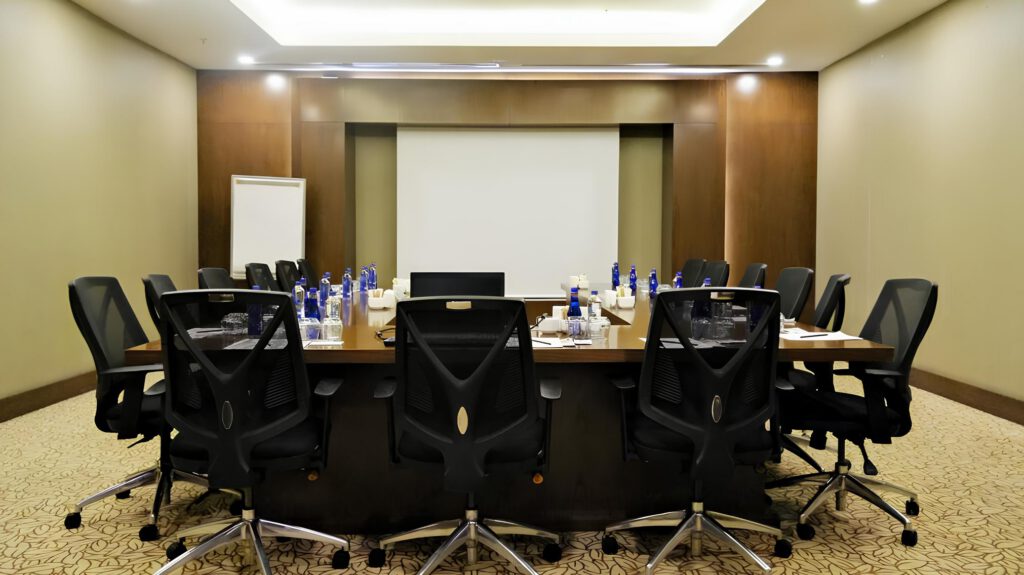
Large Meetings or Small, Impactful Gatherings?

The world of corporate events has undergone a significant transformation in recent years. For a long time, success was measured by larger venues, higher attendance numbers, and more crowded events. However, today companies are questioning not only how many people they reach, but also the impact the event has on people.
It's no longer just about gathering people in the same room. What's truly important is creating environments where people can genuinely connect, exchange ideas, build relationships, and leave the event with a powerful experience.
Therefore, a remarkable shift is occurring in corporate events. Alongside large-scale organizations, smaller, more focused, and experience-centered gatherings are rapidly gaining prominence.
Why Are Small, Focused Meetups on the Rise?
Crowded events provide visibility. They create brand awareness and offer the advantage of reaching a wide audience. However, participants can often get lost in the event.
Smaller-scale meetings, on the other hand, have a different impact.
Roundtable meetings, boutique networking gatherings, leadership breakfasts, or workshops with limited participation give people more of a voice. Participants aren't just listeners; they become an active part of the process.
This also enables stronger communication.
More intimate settings
It creates higher engagement,
It increases the sharing of ideas.,
It allows for the establishment of stronger business relationships.,
It increases the likelihood of continued communication after the event.
Today many companies are now focusing on the question:
“How many people came?
“What did the participants really feel and what kind of impact was created?”
It's not just the meeting content, the whole experience matters
In next-generation corporate events, the content of the meeting alone is no longer enough. Attendees now expect a holistic experience.
People don't just want to listen to presentations. They want to spend time together, build connections, get inspired, and feel good during the event.
Therefore, companies are now adding more experience-oriented content to their event designs:
Wellbeing activities
Gastronomy experiences
Creative workshops
Networking meals
Activities that enhance team interaction
Because in the modern understanding of events, emotion is just as important as information.
Participants are no longer just looking for content; they are looking for experiences, atmosphere, and genuine connections.
Location Selection is Now Much More Strategic
With this transformation, the venue selection has also been taken to a completely different level.
In the past, the priority was often capacity and location.
Today, attendees prioritize the feeling and experience the venue creates even more.
The other day, a client of ours recounted that they had attended events from different companies in the same location for three days the previous week and spoke about their lack of motivation to attend when invited.
No longer just frequently used, routine places;
Areas with natural light,
Places that offer comfortable socialization opportunities,
Locations that provide a strong gastronomic experience,
Creative atmospheres,
Outdoor-suitable areas,
Seating arrangements that encourage people to communicate are more preferred.
Because the right venue directly affects the energy of the event.
An incorrectly chosen venue can weaken communication, diminish the participant experience, and reduce the impact of the event. The right venue, however, can transform an event from an ordinary meeting into an unforgettable experience.
New Era Corporate Event Trends
The most prominent transformations in today's event world are:
The transition from large events to smaller, more interactive formats is accelerating.
Roundtable meetings are on the rise.
The participant experience is central.
Wellbeing content is becoming a part of event programs.
Networking and face-to-face communication are regaining value.
Venue selection is becoming an important part of the brand experience.
Companies are focusing on impact rather than quantity.
But considering the reach that major events create, the most important question on the events side is:
What creates the real impact: bigger organizations, or smaller gatherings that can truly connect?